
Hannah Wexler, Senior editor
I'm the senior editor here, which mostly means I'm the one asking which numbers are real. A launch monitor listing can name a long row of data points and still measure only a few of them. The rest (carry, apex, often spin) are worked out from ball speed and launch angle. That's not a scandal, but you should know which is which before you pay for it.
So my week is listings, manuals, app pages and owner reviews open side by side. I read the manual's list of measured parameters before the product page, and I go looking for the line about subscriptions, because a feature that needs a yearly plan is part of the price.
I write the guides on choosing a launch monitor, on radar versus camera units and on measured versus calculated data, and I edit most of the others.
None of us has hit shots with these monitors for the site, and I won't let a guide hint otherwise. What I can promise is that every figure we quote sits on a page you can open and check yourself.
Areas of expertise
- Choosing a first launch monitor
- Radar vs. camera units
- Measured vs. calculated numbers
- Subscriptions and what the base price leaves out
- Keeping the rankings current
How I work
- For every monitor I split the data list into measured, calculated and not stated, using the manual when the listing is vague.
- I note which features need an app subscription, and what the plan costs when the listing or the app page says.
- When a model is replaced or its price moves, I go back through the ranking it sits in.
- I edit the guides I didn't write, and I cut any sentence that promises more than the listing does.
Articles by Hannah Wexler
Written
 Buying Guides
How to Choose a Launch Monitor for Your Space and Practice Goals
Choose a golf launch monitor by checking room fit, useful measurements, software compatibility, and the complete setup cost.
Read the guide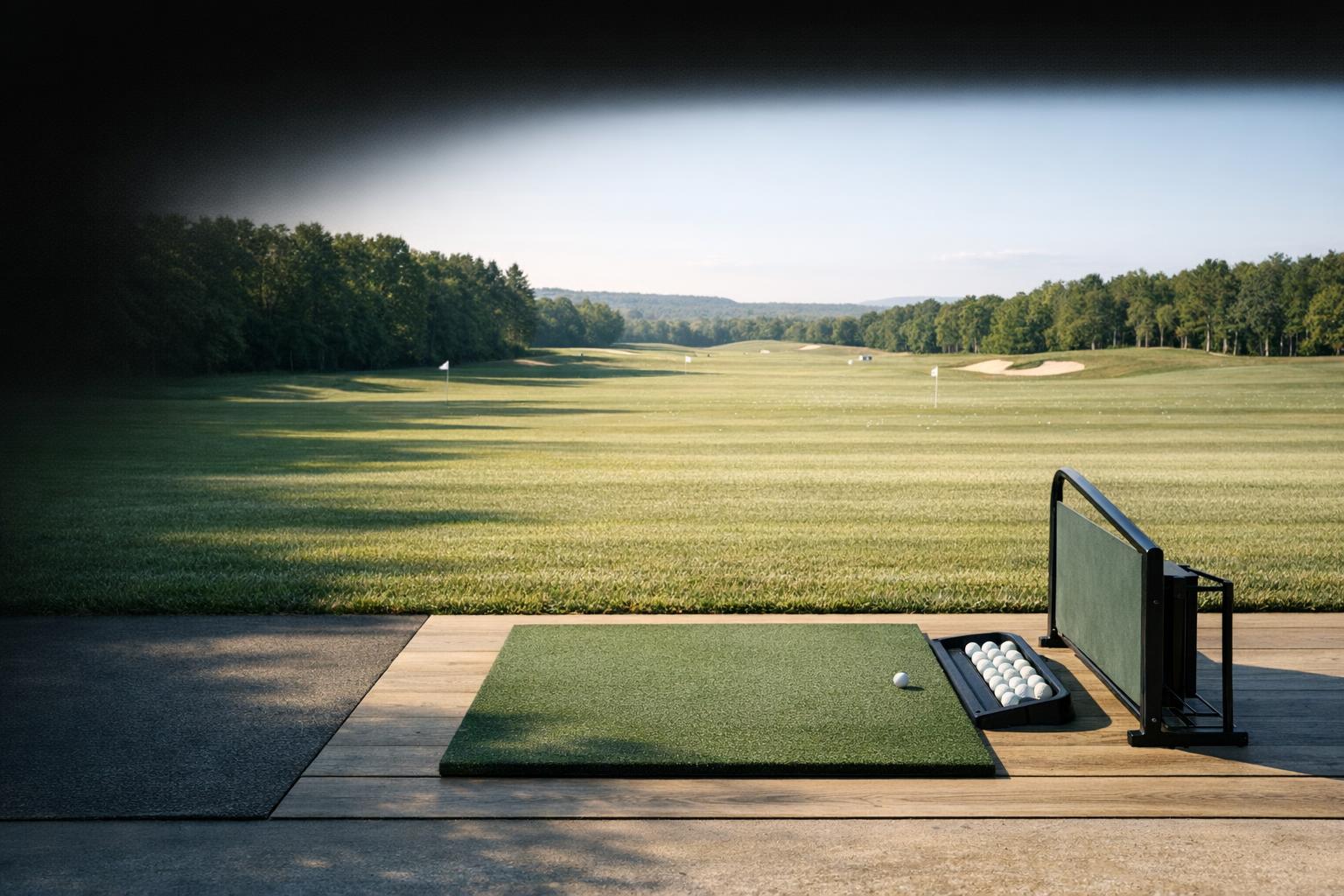 Launch Monitor Basics
Radar vs. Camera Launch Monitors: Compare the Setup, Not the Label
Understand radar and camera launch monitor tradeoffs, from hitting space and spin capture to handedness and software support.
Read the guide Launch Monitor Basics
Measured vs. Calculated Golf Data: Know What a Launch Monitor Number Means
Separate sensor measurements, derived metrics, and modeled ball flight so that launch monitor data supports the right practice decisions.
Read the guideEdited
 Setup Guides
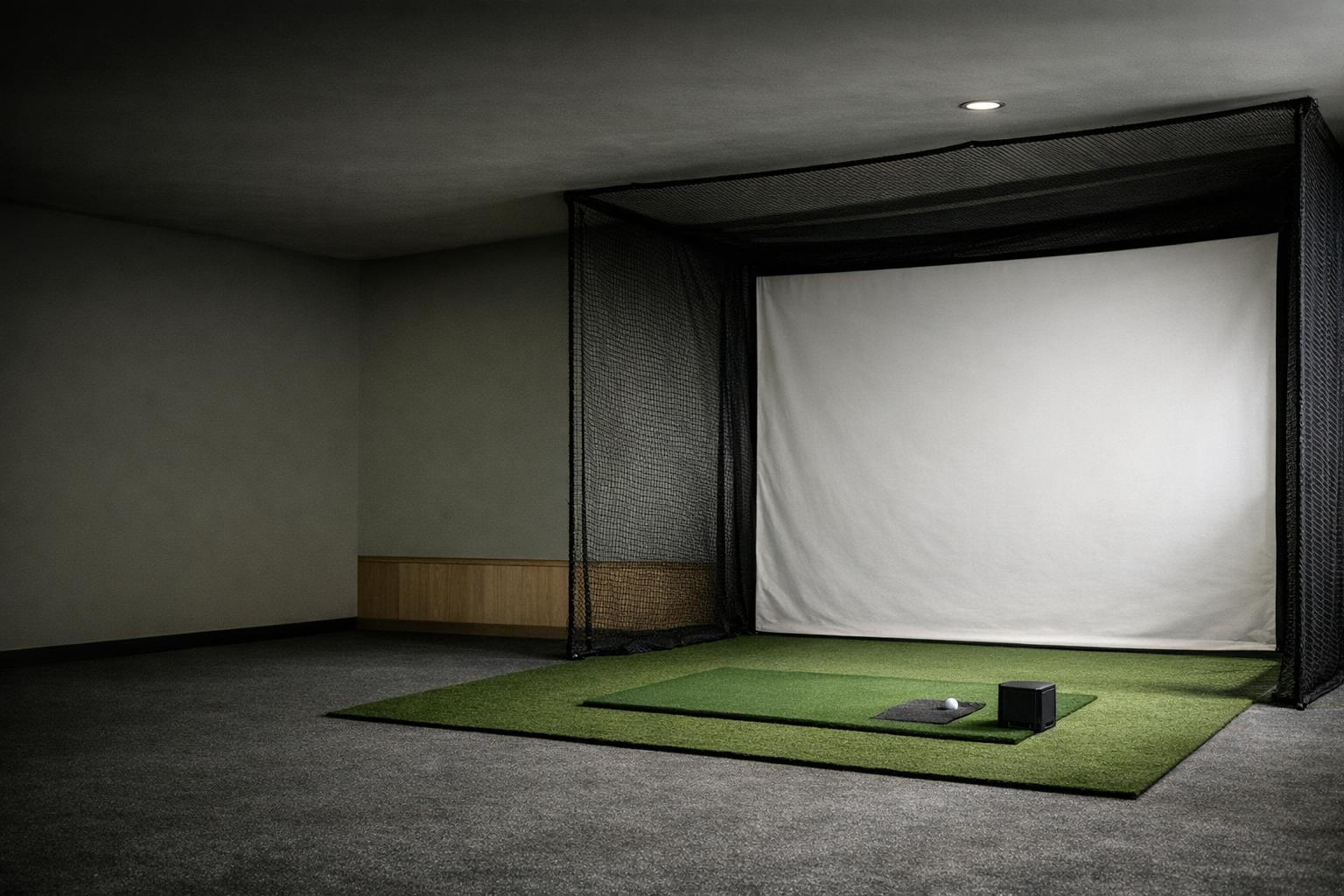
Indoor Launch Monitor Space: Plan the Ball, Sensor, Swing, and Screen
Measure an indoor golf space around the exact monitor, swing clearance, impact containment, and everyday access before buying.
Read the guide Practice Guides
Outdoor Range Measurements: Collect Golf Data You Can Compare
Build a useful range session by checking setup, ball type, target alignment, weather settings, and which shots belong in the comparison.
Read the guide Launch Monitor Basics
Golf Ball Flight Conditions: Compare Carry Without Mixing Assumptions
Understand actual and normalized launch monitor distances, ball conversion, and environmental settings before comparing golf sessions.
Read the guide Setup Guides
Launch Monitor Alignment: Build a Repeatable Target Reference
Set a repeatable launch monitor target line, ball position, and session check before interpreting left-right golf data.
Read the guide Buying Guides
Golf Simulator Software: Verify Compatibility Before Buying Courses
Check launch monitor support, computer requirements, activation, course licenses, and practice tools before choosing simulator software.
Read the guide Practice Guides
Golf Practice Data: Turn Launch Monitor Sessions Into Useful Decisions
Organize launch monitor practice around one question, consistent shot groups, honest filtering, and a clear next action.
Read the guide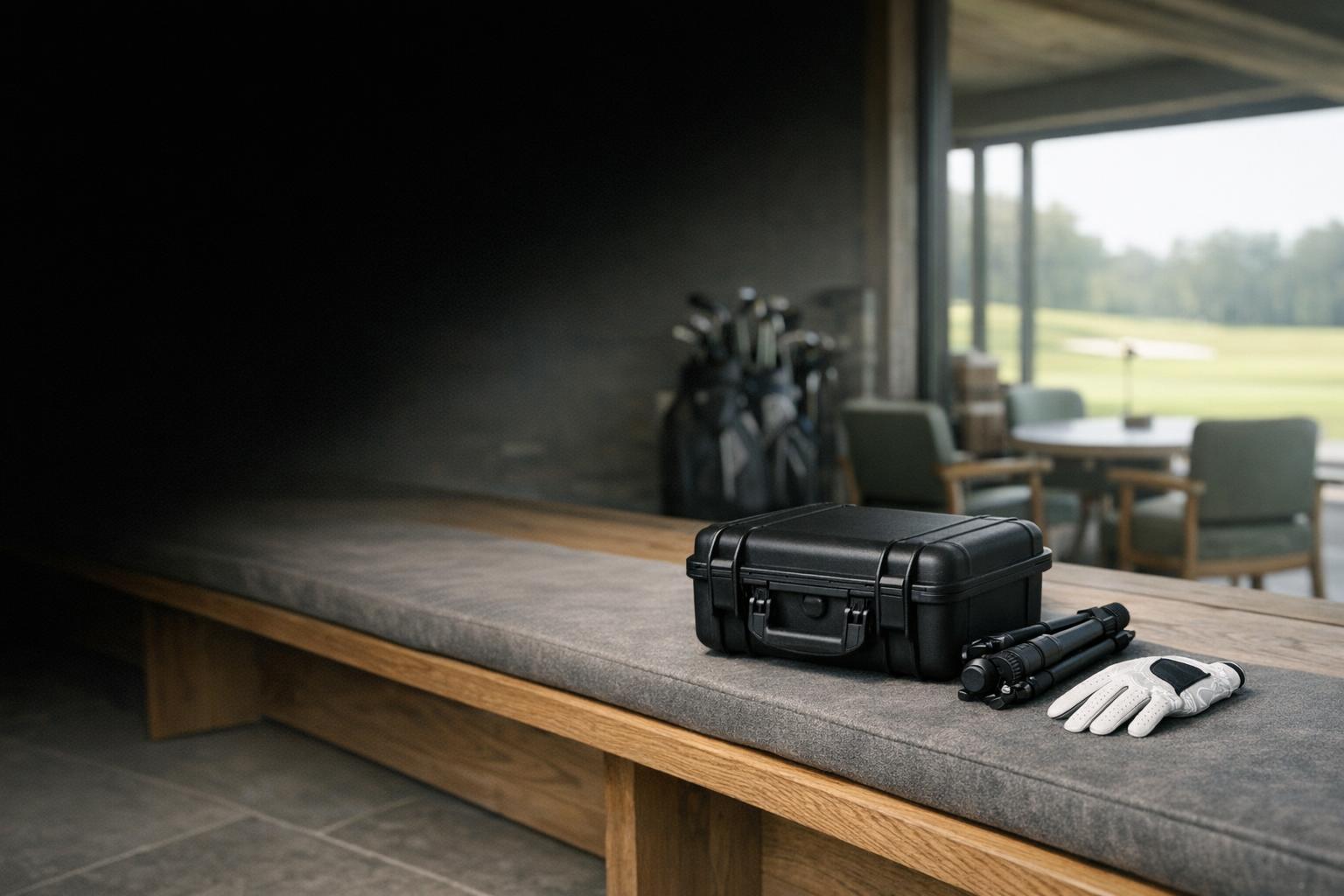 Buying Guides
Launch Monitor Accessories: Buy the Parts Your Setup Actually Requires
Choose supported golf balls, containment, mats, mounts, computing, and storage accessories around your exact launch monitor workflow.
Read the guideHow we compare and rate launch monitors and practice gear is explained on How we rate. The rest of the team: Our editors.